
Extended Reality(XR)
0 reads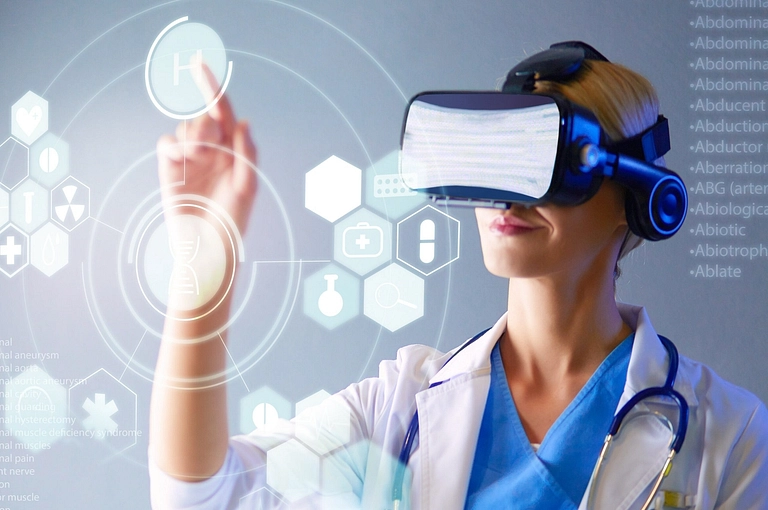
Extended Reality (XR) is a term used to describe the combination of various immersive technologies that create an environment that blends the physical world and digital information in a seamless way. It comprises a range of technologies including virtual reality (VR), augmented reality (AR), and mixed reality (MR). XR has gained increasing popularity in recent years, as it offers a unique and engaging experience for users.
Features of Extended Reality (XR)
XR technologies are designed to offer a range of features that enhance the user experience, including:
- Immersive experience: XR provides an immersive experience for users by creating a virtual world that they can interact with. This is achieved through the use of head-mounted displays, haptic feedback, and other sensory inputs.
- Interactivity: XR allows users to interact with the virtual environment in real-time. This means that users can move around and manipulate objects in the virtual world, making it feel more realistic.
- Realism: XR technologies are designed to create a realistic experience for users by replicating the physical world. This is achieved through the use of high-quality graphics, sound, and other sensory inputs.
- Enhanced learning: XR technologies can enhance the learning experience by providing a more immersive and interactive environment. This can help students better understand complex concepts and retain information more effectively.
- Improved productivity: XR technologies can improve productivity by providing a more efficient and effective way of completing tasks. For example, XR can be used to train employees in a virtual environment, reducing the need for costly and time-consuming physical training.
- Increased engagement: XR technologies can increase engagement by providing a more engaging and interactive experience for users. This can help to keep users interested and motivated, leading to better results.
- High cost: XR technologies can be expensive to implement, particularly for small businesses and individuals. This can be a barrier to entry for some users.
- Technical issues: XR technologies are still relatively new, and as such, there are still technical issues that need to be addressed. This can lead to a less than optimal user experience.
- Limited availability: XR technologies are not yet widely available, particularly in developing countries. This can limit the potential impact of these technologies on a global scale.