
Augmented Reality (AR) and Virtual Reality (VR)
0 reads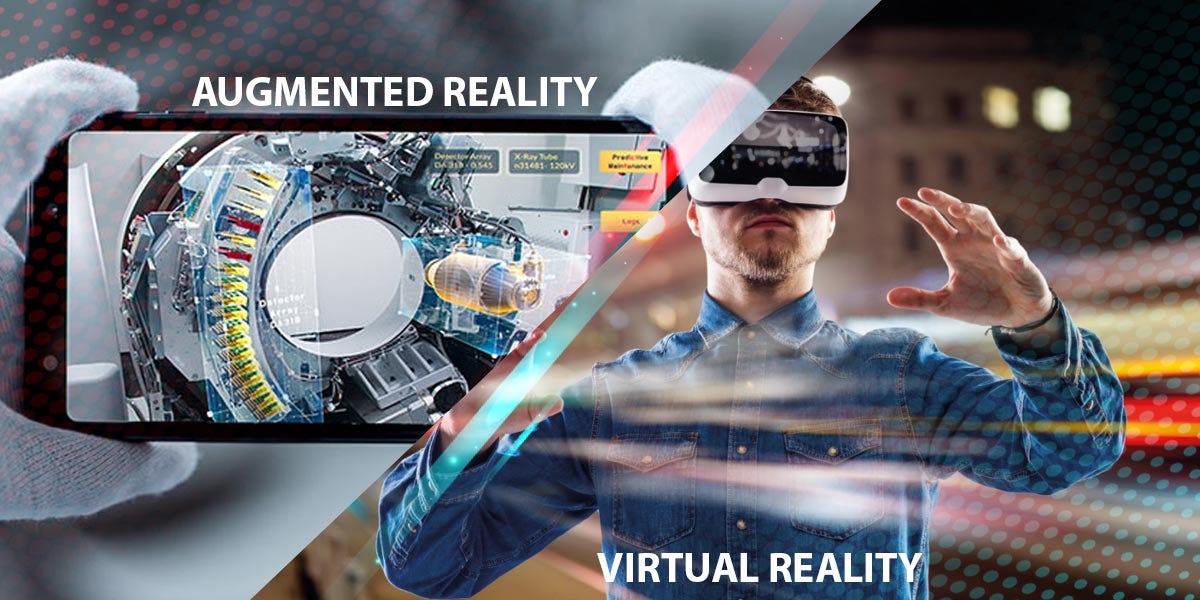
Introduction
In recent years, technological advancements have ushered in a new era of immersive experiences, revolutionizing the way we interact with the digital world. Two prominent technologies leading this charge are Augmented Reality (AR) and Virtual Reality (VR). While often grouped together, AR and VR offer distinct experiences, each with its unique applications and potential impact on various industries.
Understanding Augmented Reality (AR)
Augmented Reality is a technology that overlays digital information onto the real-world environment, enhancing our perception of reality. Unlike Virtual Reality, which immerses users in a completely virtual environment, AR supplements and enriches the physical world by adding computer-generated elements such as graphics, sounds, or haptic feedback.
Applications of Augmented Reality
- Gaming: AR has made a significant impact on the gaming industry, introducing interactive and immersive experiences. Games like Pokémon GO, where players explore the real world to find virtual creatures, exemplify the potential of AR in gaming.
- Education: AR has found its way into education, offering interactive learning experiences. Textbooks with AR elements, AR-based educational apps, and virtual tours powered by AR contribute to a more engaging learning environment.
- Retail: In the retail sector, AR is enhancing the shopping experience. Virtual try-on applications enable customers to visualize products like clothing or furniture in their own space before making a purchase decision.
- Navigation: AR is transforming navigation by providing real-time information overlaid on the physical world. AR navigation apps offer directions, points of interest, and other relevant details, enhancing the user's understanding of their surroundings.
- Gaming and Entertainment: VR has had a profound impact on the gaming and entertainment industries, providing users with immersive and realistic experiences. Virtual environments allow gamers to interact with their surroundings in ways previously unimaginable.
- Healthcare: In healthcare, VR is used for medical training, therapeutic interventions, and even pain management. Surgeons can practice complex procedures in a simulated environment, and patients can undergo virtual therapy sessions for various mental health conditions.
- Training and Simulation: VR is a valuable tool for training in fields such as aviation, military, and first responders. Simulations allow individuals to practice and refine their skills in a safe and controlled virtual environment.
- Architecture and Design: Architects and designers use VR to create virtual walkthroughs of buildings and spaces. This enables stakeholders to experience the design before construction begins, identifying potential issues and making informed decisions.